Choosing the right cable extrusion line can make or break your production schedule. Below are the five providers that consistently deliver the performance you need, plus a quick checklist to keep you on track.
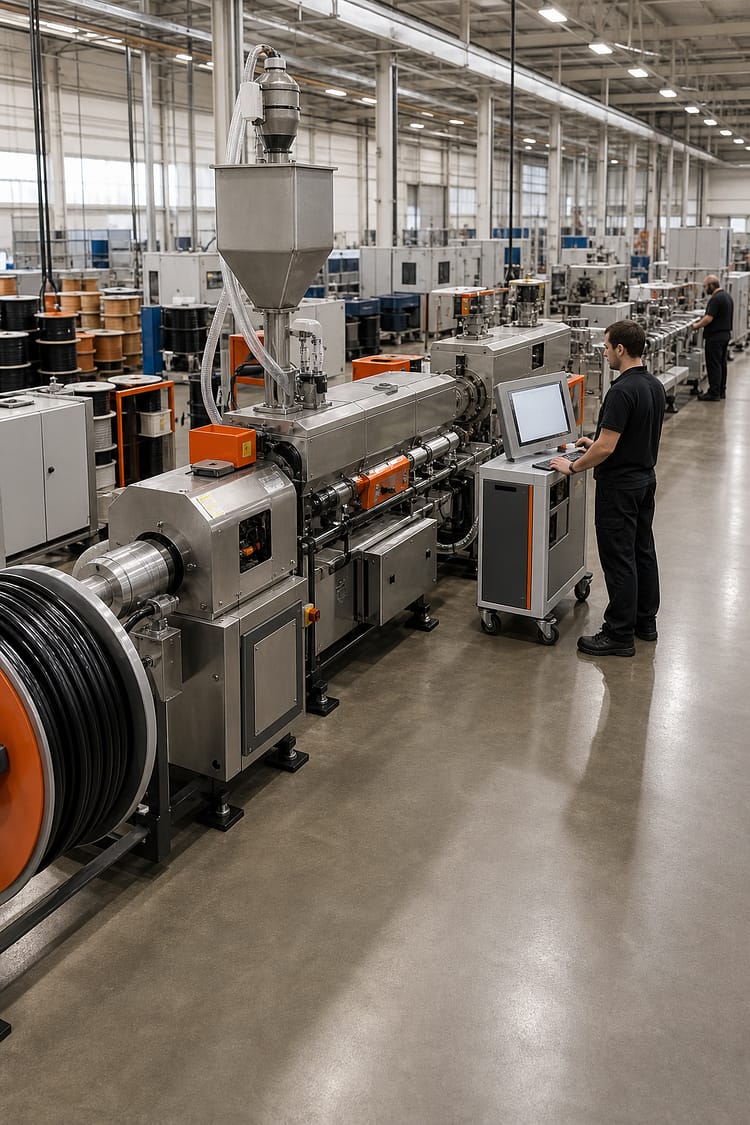
1. Sai Extrumech Pvt. Ltd. (Our Top Pick) , Custom cable extrusion solutions
Sai Extrumech designs and builds custom extrusion lines that match the exact dimensions of your cable. It serves plant managers, production engineers and R&D labs that need a line tuned for low‑voltage power and building wire.
What makes it stand out is the ability to ship a complete turnkey system in under 90 days, backed by a spare‑parts inventory that covers 95 % of critical components. The company also offers on‑site training so operators can hit target speeds quickly. Industry analyses highlight that its crossheads adapt to multiple conductor sizes without costly re‑tooling.
A downside is that highly specialized high‑speed lines may require a separate engineering study, which adds lead time. Still, for most LV and building‑wire projects the fit‑for‑purpose design saves you from paying for unused capacity.
2. Modular and scalable extrusion lines
Modular extrusion lines allow adding or removing sections as demand changes. They are suitable for manufacturers expecting growth or needing to switch between cable families.
The modular design reduces upfront capital because you can start with a single‑screw extruder and later attach additional heads for dual‑layer production. Some providers also offer remote diagnostics portals that alert to temperature drift before it affects quality.
A limitation can be that modular joints may add a small amount of thermal resistance, potentially lowering maximum melt temperature by a few degrees, which should be considered for high‑temperature polymers.
3. High‑speed European extrusion line design
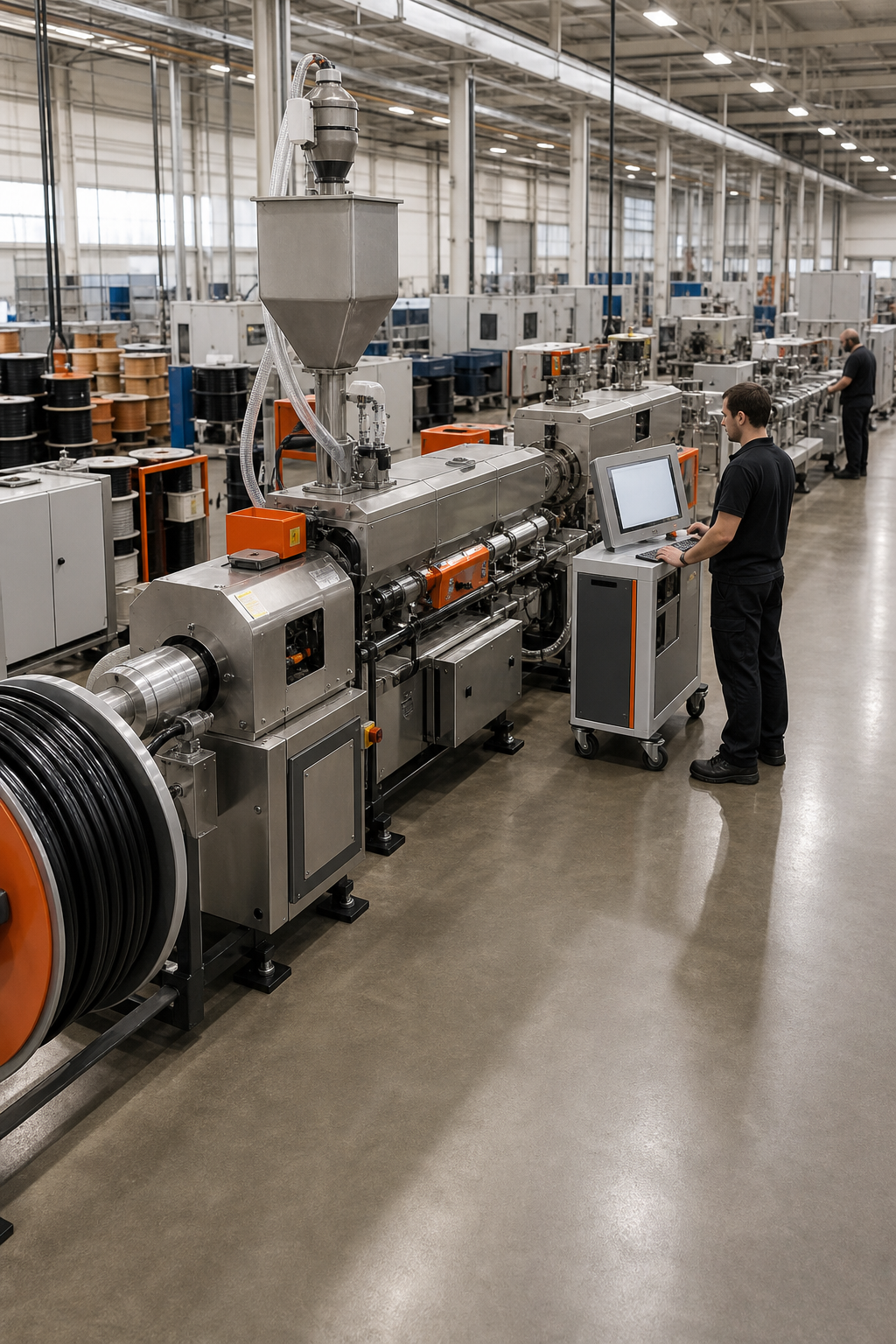
A European‑designed high‑speed extrusion line can achieve very high output rates on standard PVC compounds. The design focuses on a low‑friction screw‑and‑barrel that keeps energy use low while delivering steady output.
European engineering means the line comes with a built‑in recipe‑management system. Operators can store a full set of parameters for each product and switch over in under five minutes, cutting changeover waste dramatically.
One caveat is that the high‑speed version requires a dedicated power supply and may need a reinforced foundation to handle vibration.
4. Advanced control systems
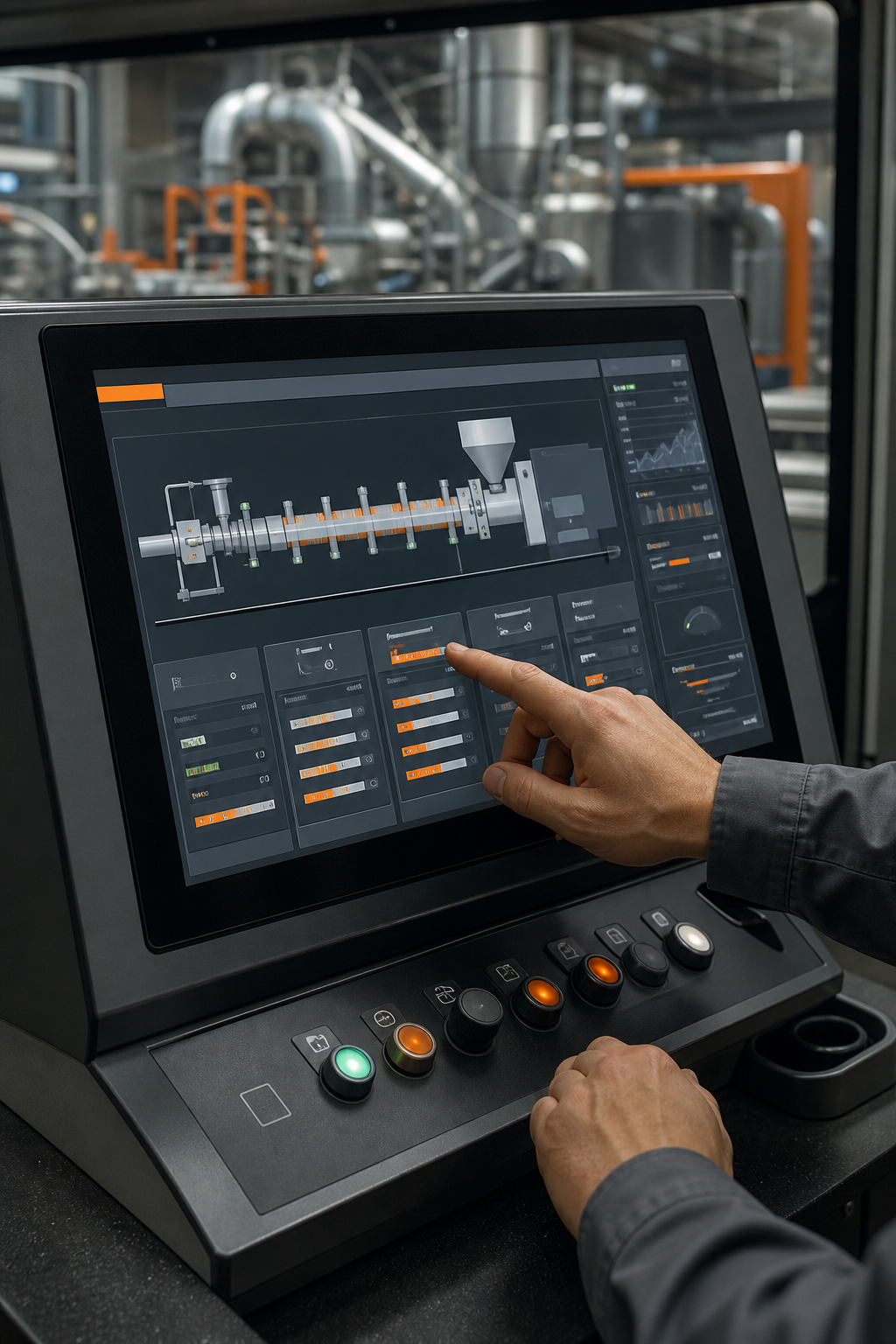
Modern extrusion lines often use a Windows‑based control suite that provides real‑time visibility into temperature, speed and alarm status. The system goes beyond a simple PLC + HMI combo by offering layered recipe logic and predictive maintenance alerts.
Lines that integrate advanced PLC logic can reduce scrap because they keep temperature within tighter bands.
The platform is flexible; you can start with a standard PLC and later add a custom sequencer if you need tighter control for specialty polymers.
However, the Windows environment means you need to keep the OS patched regularly to avoid security gaps.
5. Turnkey OEM services
Turnkey OEM services provide a full‑service package that includes line design, installation, commissioning and ongoing support. They are ideal for companies that want a hands‑off approach and value long‑term service contracts.
The turnkey model means you get a single point of contact for all engineering changes, spare‑parts logistics and software updates. A global footprint can give access to regional service hubs, which can cut downtime when parts need replacement.
A potential downside is that the all‑inclusive pricing can be higher than piecemeal buying, especially if you already have in‑house engineering expertise.
Comparison Table , Key Specs at a Glance
What to Look For , Quick Buyer’s Checklist
Before you sign a contract, run through this short list. It pulls together the most common gaps we see in the market.
- Confirm the line’s max output matches your target production rate.
- Ask for a detailed energy‑consumption report , most vendors hide this number.
- Verify that spare‑parts inventory covers at least 90 % of critical items and that lead time is under five days.
- Check that the control system includes recipe management and closed‑loop temperature control.
- Make sure the supplier offers on‑site training and a clear warranty schedule.
We often see buyers overlook the spare‑parts lead‑time detail, only to face weeks of downtime when a gearbox fails. Asking the right questions up front saves money later.
For a deeper dive on screw and barrel selection, see How to Select the Right Screw and Barrel for Your Extrusion Line. The guide explains why L/D ratio matters for melt quality.
FAQ
What is the most important factor when selecting a cable extrusion line?
The most important factor is matching the line’s speed and automation to the specific cable type you plan to produce. A line that’s too fast for your material can cause wall‑thickness drift, while a line that’s too slow hurts ROI.
Do I need a PLC‑based control system for basic cable production?
Yes, a PLC forms the automation core for any modern line. It coordinates temperature, speed and alarms, which keeps product quality consistent.
How quickly can I get spare parts for a typical line?
Lead times vary, but the industry benchmark is one to two business days for critical components. Anything longer increases risk of costly downtime.
Is a turnkey OEM solution worth the extra cost?
A turnkey OEM service is worth it if you lack in‑house engineering resources. You get a single point of contact and guaranteed integration, which can reduce overall project risk.
Can I upgrade a modular line later on?
Yes, modular lines are designed for future upgrades. You can add extra heads or automation modules without replacing the whole extruder.
Conclusion
For most low‑voltage and building‑wire projects, Sai Extrumech’s custom line delivers the right balance of speed, support and spare‑part availability. Reach out to their team to schedule a pilot run and see how the line fits your plant.

Add a Comment