The Future of Cable Extrusion: Embracing Automation and Smart Technologies
The wire and cable industry is undergoing a significant transformation. As global demand for high-quality, reliable, and specialized cables continues to rise—driven by sectors like telecommunications, renewable energy, and automotive—manufacturers are increasingly turning to advanced technologies to stay competitive. In this article, we explore how automation and smart technologies are shaping the future of cable extrusion and why embracing these innovations is essential for modern manufacturing success.
The Shift Toward Smart Manufacturing
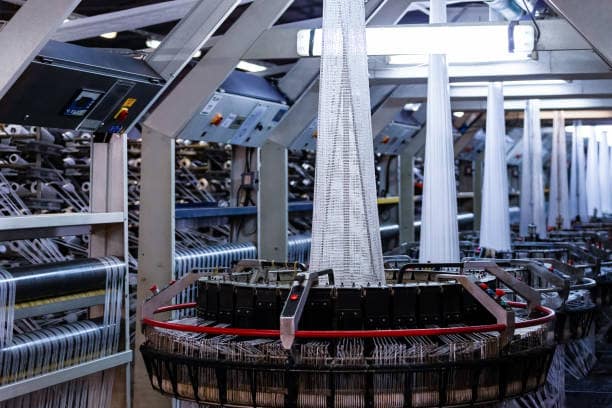
Traditionally, cable extrusion was a labor-intensive process that relied heavily on the expertise and intuition of experienced operators. However, the advent of Industry 4.0 has introduced a new era of smart manufacturing, where data-driven insights and automated systems play a central role. By integrating sensors, IoT (Internet of Things) devices, and advanced control systems into extrusion lines, manufacturers can now achieve unprecedented levels of precision and efficiency.
One of the key benefits of smart manufacturing is the ability to monitor critical process parameters in real-time. From melt temperature and pressure to line speed and tension, every aspect of the extrusion process can be tracked and analyzed. This real-time visibility allows for immediate adjustments, ensuring consistent product quality and minimizing waste. For companies like Sai Extrumech, providing state-of-the-art extrusion machinery that supports these advanced capabilities is a top priority.
Enhancing Precision with Advanced Tooling
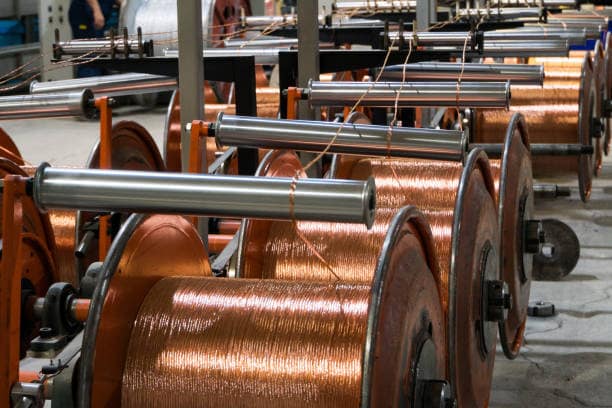
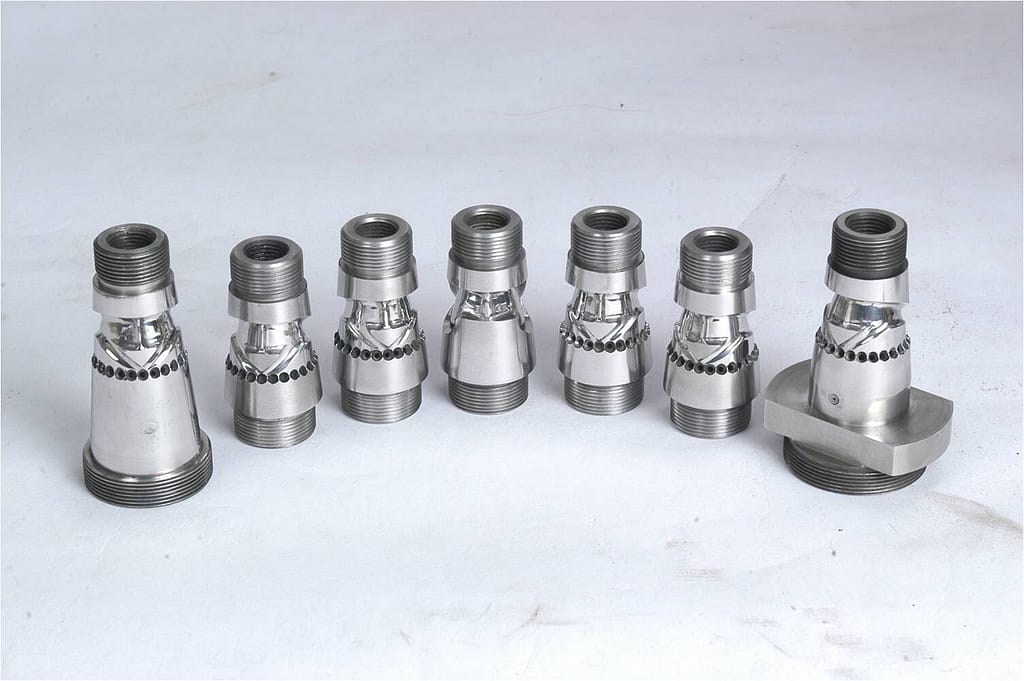
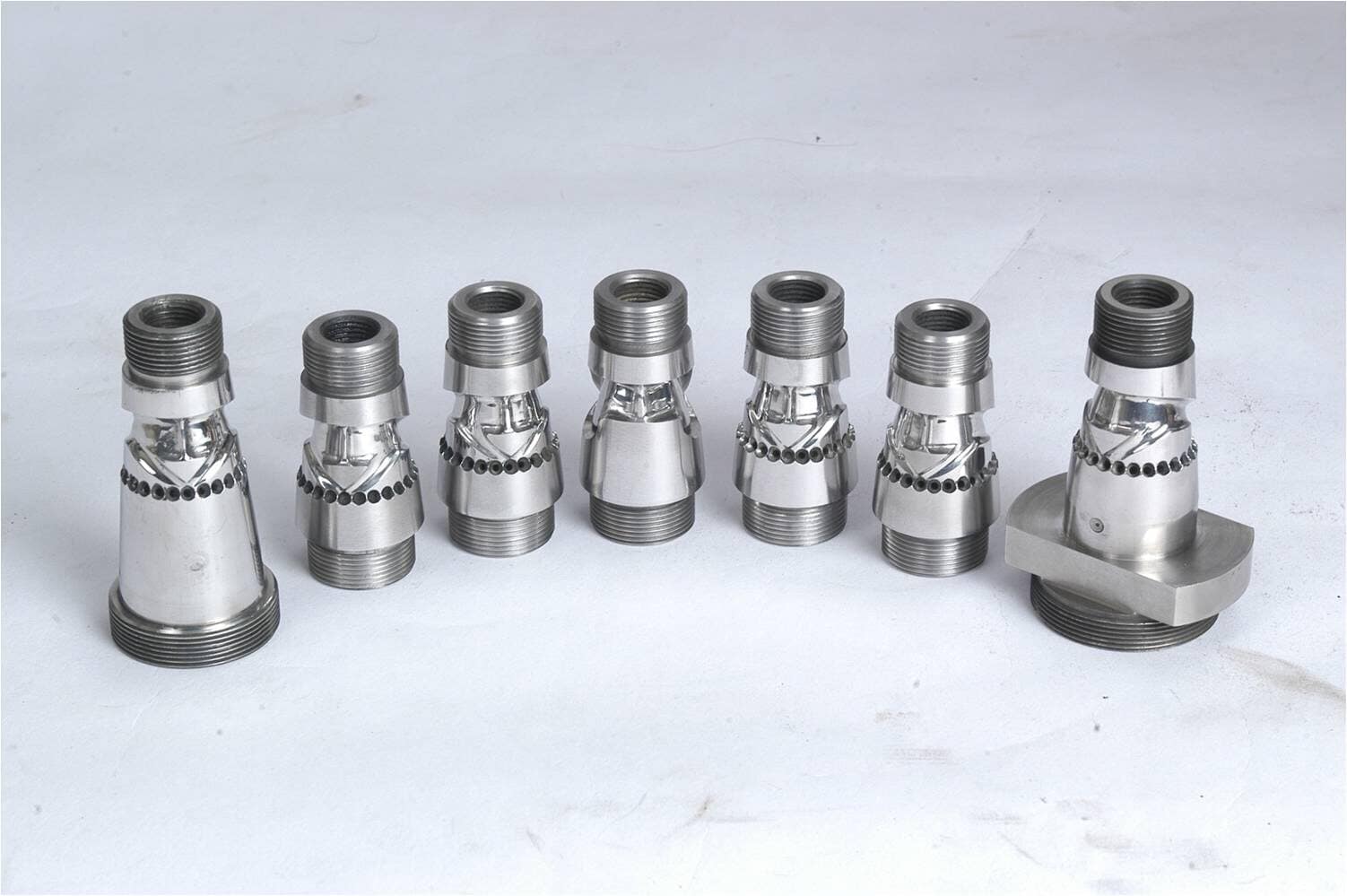
At the heart of every high-performance extrusion line is the tooling. The precision of the screw and barrel, as well as the design of the crosshead, directly impacts the quality of the final product. Advanced tooling solutions are now being engineered to handle increasingly complex materials, including halogen-free compounds and high-performance polymers.
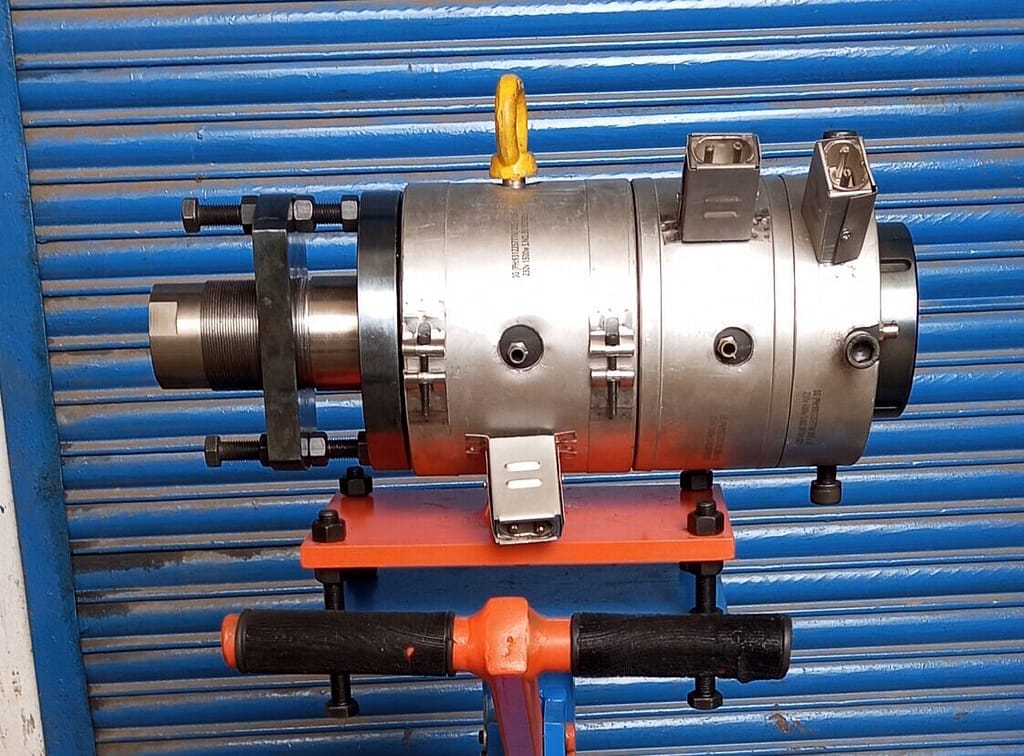
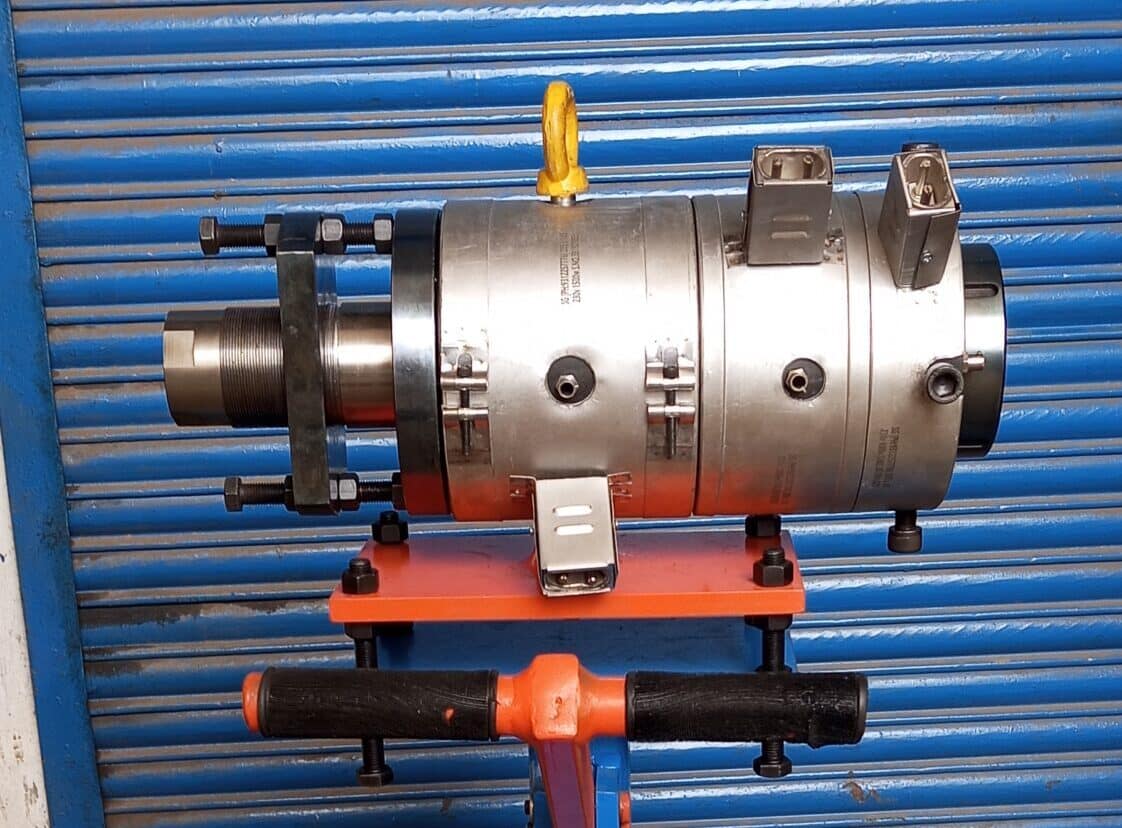
Modern crossheads, such as fixed-center and manual-center designs, are now being equipped with sophisticated adjustment mechanisms that allow for precise control over wall thickness and concentricity. This level of precision is crucial for meeting the stringent requirements of industries like medical device manufacturing and aerospace, where even the slightest deviation can have significant consequences. You can explore our range of crossheads and tooling to see how we are pushing the boundaries of precision engineering.
The Role of Automation in Improving Efficiency
Automation is no longer just about replacing manual labor; it’s about optimizing the entire production lifecycle. Automated pay-off and take-up systems, for example, ensure smooth and consistent handling of cables, reducing the risk of damage and improving overall line speed. Similarly, automated coiling and packaging systems can significantly enhance throughput and reduce labor costs.
Beyond the physical machinery, automation also extends to the control and management systems. Advanced PLC (Programmable Logic Controller) systems can now store and recall complex recipes for different cable types, allowing for rapid changeovers and reducing downtime. This flexibility is essential for manufacturers who need to produce a wide variety of products in smaller batch sizes.
Driving Sustainability Through Technology
As environmental concerns become increasingly important, the cable industry is also focusing on sustainability. Smart technologies can play a vital role in reducing the environmental footprint of cable manufacturing. By optimizing energy consumption, minimizing material waste, and improving process efficiency, manufacturers can significantly reduce their overall impact on the planet.
For instance, energy-efficient motors and heating systems can lead to substantial cost savings while also reducing greenhouse gas emissions. Additionally, the ability to process recycled materials more effectively is becoming a key differentiator for forward-thinking manufacturers. At Sai Extrumech, we are committed to developing solutions that not only enhance performance but also promote sustainable manufacturing practices.
Conclusion: The Path Forward
The future of cable extrusion is undoubtedly smart, automated, and sustainable. By embracing these technologies, manufacturers can achieve higher levels of quality, efficiency, and competitiveness. As a leading cable extrusion machine manufacturer in India, Sai Extrumech is proud to be at the forefront of this technological revolution, providing the tools and expertise our clients need to thrive in a changing world.
Whether you are looking to upgrade an existing line or invest in a new, state-of-the-art facility, our team of experts is here to help. Contact us today to learn more about our innovative solutions and how we can help you empower your manufacturing future.