
Industrial Cable Extrusion Process

The Future of Cable Extrusion: Embracing Automation and Smart Technologies

The Future of Cable Extrusion: Embracing Automation and Smart Technologies

The wire and cable industry is undergoing a significant transformation. As global demand for high-quality, reliable, and specialized cables continues to rise—driven by sectors like telecommunications, renewable energy, and automotive—manufacturers are increasingly turning to advanced technologies to stay competitive. In this article, we explore how automation and smart technologies are shaping the future of cable extrusion and why embracing these innovations is essential for modern manufacturing success.

The Shift Toward Smart Manufacturing
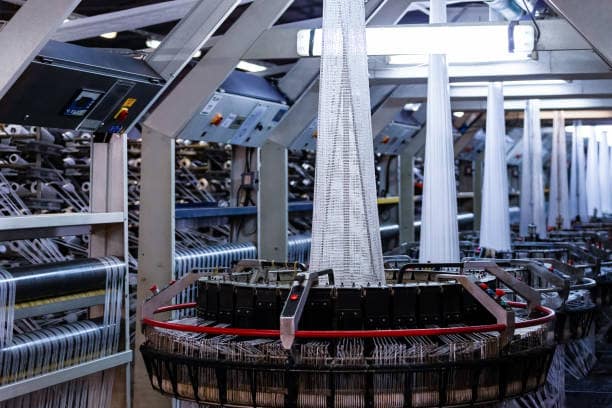
Industrial Cable Extrusion Process

Traditionally, cable extrusion was a labor-intensive process that relied heavily on the expertise and intuition of experienced operators. However, the advent of Industry 4.0 has introduced a new era of smart manufacturing, where data-driven insights and automated systems play a central role. By integrating sensors, IoT (Internet of Things) devices, and advanced control systems into extrusion lines, manufacturers can now achieve unprecedented levels of precision and efficiency.

One of the key benefits of smart manufacturing is the ability to monitor critical process parameters in real-time. From melt temperature and pressure to line speed and tension, every aspect of the extrusion process can be tracked and analyzed. This real-time visibility allows for immediate adjustments, ensuring consistent product quality and minimizing waste. For companies like Sai Extrumech, providing state-of-the-art extrusion machinery that supports these advanced capabilities is a top priority.

Enhancing Precision with Advanced Tooling
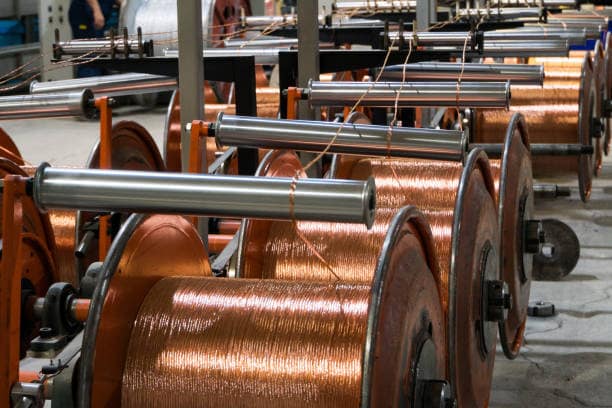
Modern Cable Manufacturing Factory

At the heart of every high-performance extrusion line is the tooling. The precision of the screw and barrel, as well as the design of the crosshead, directly impacts the quality of the final product. Advanced tooling solutions are now being engineered to handle increasingly complex materials, including halogen-free compounds and high-performance polymers.

Modern crossheads, such as fixed-center and manual-center designs, are now being equipped with sophisticated adjustment mechanisms that allow for precise control over wall thickness and concentricity. This level of precision is crucial for meeting the stringent requirements of industries like medical device manufacturing and aerospace, where even the slightest deviation can have significant consequences. You can explore our range of crossheads and tooling to see how we are pushing the boundaries of precision engineering.

The Role of Automation in Improving Efficiency

Automation is no longer just about replacing manual labor; it’s about optimizing the entire production lifecycle. Automated pay-off and take-up systems, for example, ensure smooth and consistent handling of cables, reducing the risk of damage and improving overall line speed. Similarly, automated coiling and packaging systems can significantly enhance throughput and reduce labor costs.

Beyond the physical machinery, automation also extends to the control and management systems. Advanced PLC (Programmable Logic Controller) systems can now store and recall complex recipes for different cable types, allowing for rapid changeovers and reducing downtime. This flexibility is essential for manufacturers who need to produce a wide variety of products in smaller batch sizes.

Driving Sustainability Through Technology

As environmental concerns become increasingly important, the cable industry is also focusing on sustainability. Smart technologies can play a vital role in reducing the environmental footprint of cable manufacturing. By optimizing energy consumption, minimizing material waste, and improving process efficiency, manufacturers can significantly reduce their overall impact on the planet.

For instance, energy-efficient motors and heating systems can lead to substantial cost savings while also reducing greenhouse gas emissions. Additionally, the ability to process recycled materials more effectively is becoming a key differentiator for forward-thinking manufacturers. At Sai Extrumech, we are committed to developing solutions that not only enhance performance but also promote sustainable manufacturing practices.

Conclusion: The Path Forward

The future of cable extrusion is undoubtedly smart, automated, and sustainable. By embracing these technologies, manufacturers can achieve higher levels of quality, efficiency, and competitiveness. As a leading cable extrusion machine manufacturer in India, Sai Extrumech is proud to be at the forefront of this technological revolution, providing the tools and expertise our clients need to thrive in a changing world.

Whether you are looking to upgrade an existing line or invest in a new, state-of-the-art facility, our team of experts is here to help. Contact us today to learn more about our innovative solutions and how we can help you empower your manufacturing future.

By Sai Extrumech Editorial Team  |  Published: April 7, 2026  |  Last Updated: April 10, 2026

Frequently Asked Questions

What is the difference between PVC and XLPE insulation in cable extrusion?

PVC is cost-effective and suited for low-voltage applications up to 70°C. XLPE offers superior performance at higher temperatures (up to 90°C continuous) and is required for medium and high-voltage power cables above 1 kV.

What line speeds can modern cable extrusion machines achieve?

Modern single-layer lines achieve 800–1,200 m/min for conductors under 2.5 mm². Sai Extrumech's EEL 20 series achieves up to 1,200 m/min. Multi-layer or larger conductor lines run at 200–400 m/min.

How does automation improve cable extrusion quality?

Automation enables real-time monitoring of extrusion parameters — melt temperature, line speed, conductor tension, and insulation diameter — reducing human error and enabling immediate corrections. Smart systems can reduce scrap rates by 30–50% compared to manual monitoring.

What Industry 4.0 features are available for extrusion lines?

Modern extrusion lines support OPC-UA connectivity, SCADA integration, digital twin simulation, predictive maintenance alerts, and remote monitoring dashboards. These features allow manufacturers to monitor production from anywhere and respond to process deviations before they cause quality failures.

Can a cable extrusion line be customized for specific applications?

Yes. Sai Extrumech configures lines for specific cable types, conductor sizes, insulation materials, and line speeds — for automotive, power, solar, optical fibre, and building wire applications.

The Future of High-Speed Cable Extrusion: Trends for 2026

Introduction

The cable and wire manufacturing industry is a dynamic landscape, constantly evolving to meet the demands of a rapidly advancing world. As we look towards 2026, the focus on high-speed cable extrusion trends 2026 intensifies, driven by technological innovations, increasing global connectivity, and the urgent need for sustainable practices. Manufacturers are under pressure to produce cables that are not only faster and more efficient but also environmentally friendly and cost-effective. This article delves into the key trends shaping the future of high-speed cable extrusion, offering insights for industry professionals seeking to stay ahead in this competitive market.

The Driving Forces Behind Extrusion Innovation

Several factors are propelling the evolution of cable extrusion technology. The proliferation of 5G networks, the expansion of data centers, the growth of renewable energy infrastructure, and the booming electric vehicle (EV) market are all creating unprecedented demand for high-performance cables. These applications require cables with superior electrical properties, enhanced durability, and often, smaller diameters. To meet these stringent requirements, extrusion processes must become more precise, faster, and capable of handling advanced materials.

Advancements in Material Science

The core of high-speed cable extrusion innovation lies in material science. Traditional PVC and polyethylene are being supplemented, and in some cases replaced, by advanced polymers and composites. These new materials offer improved dielectric strength, higher temperature resistance, and better flame retardancy. For instance, fluoropolymers are gaining traction in EV motor wire applications due to their superior performance characteristics . The development of halogen-free flame retardant (HFFR) compounds is also a significant trend, driven by stricter safety regulations and environmental concerns. These materials require specialized extrusion techniques to maintain their integrity and performance during processing.

Automation and Smart Manufacturing

The integration of automation and smart manufacturing principles is revolutionizing the cable extrusion industry. Advanced control systems, real-time monitoring, and predictive maintenance are becoming standard. These technologies enable manufacturers to optimize production parameters, reduce material waste, and minimize downtime. The goal is to achieve higher throughput with consistent quality, a critical aspect of high-speed cable extrusion trends 2026. Artificial intelligence (AI) and machine learning (ML) are also beginning to play a role, offering insights into process optimization and defect detection, further enhancing efficiency and product reliability.

Key High-Speed Cable Extrusion Trends for 2026

As the industry progresses, several distinct trends are emerging that will define high-speed cable extrusion in 2026 and beyond.

Increased Extrusion Speeds and Throughput

The demand for higher production volumes necessitates faster extrusion speeds. This is being achieved through innovations in extruder design, screw geometry, and cooling systems. Manufacturers are investing in machines capable of processing materials at unprecedented rates without compromising cable quality. The focus is on maximizing output per hour, which directly impacts profitability and market competitiveness. This drive for speed is a central theme in high-speed cable extrusion trends 2026.

Enhanced Precision and Quality Control

With cables becoming more complex and critical to various applications, precision and quality control are paramount. Advanced gauging systems, laser measurement devices, and sophisticated vision systems are being integrated into extrusion lines to ensure exact cable dimensions, insulation thickness, and concentricity. These systems provide immediate feedback, allowing for real-time adjustments and minimizing defects. The ability to consistently produce high-quality cables at high speeds is a significant differentiator in the market.

Focus on Sustainability and Energy Efficiency

Environmental responsibility is no longer an option but a necessity. The cable extrusion industry is responding by developing more sustainable manufacturing processes. This includes reducing energy consumption in extrusion lines through optimized motor designs and efficient heating and cooling systems. Furthermore, the use of recyclable materials and the minimization of waste are becoming key considerations. Manufacturers are also exploring ways to reduce their carbon footprint throughout the entire production lifecycle. Sai Extrumech, as a leading manufacturer, is committed to developing solutions that align with these sustainable goals.

Customization and Flexibility

The diverse requirements of modern applications mean that a one-size-fits-all approach to cable manufacturing is no longer viable. There is a growing trend towards customized extrusion lines that can be quickly reconfigured to produce different types of cables. This flexibility allows manufacturers to respond rapidly to changing market demands and cater to niche applications. Modular designs and quick-change tooling are becoming increasingly important in achieving this adaptability.

Integration of Industry 4.0 Technologies

Industry 4.0, characterized by the integration of cyber-physical systems, the Internet of Things (IoT), and cloud computing, is transforming cable extrusion. Data collected from various sensors and machines across the production line can be analyzed to identify bottlenecks, predict equipment failures, and optimize overall operational efficiency. This interconnectedness fosters a more intelligent and responsive manufacturing environment, further driving the high-speed cable extrusion trends 2026.

Sai Extrumech: Leading the Way in Extrusion Technology

In this evolving landscape, companies like Sai Extrumech are at the forefront of innovation. With 25 years of industry expertise, Sai Extrumech Pvt. Ltd. has established itself as a trusted and renowned name, offering a comprehensive product portfolio that includes a full range of extrusion machines, crossheads, caterpillars, capstans, screws and barrels, take-ups, and pay-offs. Their commitment to quality and innovation is evident in their state-of-the-art solutions engineered to excel in processing thermoplastics, fiber optics, halogen-free compounds, and more. Sai Extrumech’s ability to design and produce high-efficiency, bespoke equipment sets them apart, providing customized solutions tailored to specific needs, ensuring consistent and precise output across all applications.

Conclusion

The future of high-speed cable extrusion is characterized by relentless innovation, driven by the need for faster, more efficient, and sustainable cable production. The high-speed cable extrusion trends 2026 point towards increased automation, advanced material utilization, enhanced precision, and a strong emphasis on environmental responsibility. Manufacturers who embrace these trends and invest in cutting-edge technology will be well-positioned for success. Sai Extrumech, with its dedication to engineering excellence and customized solutions, continues to be a vital partner for the cable and wire manufacturing industry, helping businesses navigate these transformative changes and achieve superior results.

By Sai Extrumech Editorial Team  |  Published: March 18, 2026  |  Last Updated: April 10, 2026

Frequently Asked Questions

What line speeds can modern cable extrusion machines achieve?

Modern single-layer insulation lines typically achieve 800–1,200 m/min for conductors under 2.5 mm². Multi-layer or larger conductor lines run at 200–400 m/min. Sai Extrumech's EEL 20 series achieves up to 1,200 m/min constructive line speed.

What trends are driving high-speed cable extrusion in 2026?

Key trends include energy-efficient servo drive systems replacing hydraulic drives, real-time diameter monitoring with automatic correction, predictive maintenance via vibration sensors, and integration of AI-based process optimization that reduces material waste by adjusting extrusion parameters in real time.

What is the difference between PVC and XLPE insulation?

PVC is cost-effective and suited for low-voltage applications up to 70°C. XLPE offers superior performance at higher temperatures (up to 90°C continuous) and is required for medium and high-voltage power cables above 1 kV.

Can a cable extrusion line be customized for specific applications?

Yes. Sai Extrumech configures lines for specific cable types, conductor sizes, insulation materials, and line speeds — for automotive, power, solar, optical fibre, and building wire applications.