
Industrial Cable Extrusion Process

The Future of Cable Extrusion: Embracing Automation and Smart Technologies

The Future of Cable Extrusion: Embracing Automation and Smart Technologies

The wire and cable industry is undergoing a significant transformation. As global demand for high-quality, reliable, and specialized cables continues to rise—driven by sectors like telecommunications, renewable energy, and automotive—manufacturers are increasingly turning to advanced technologies to stay competitive. In this article, we explore how automation and smart technologies are shaping the future of cable extrusion and why embracing these innovations is essential for modern manufacturing success.

The Shift Toward Smart Manufacturing
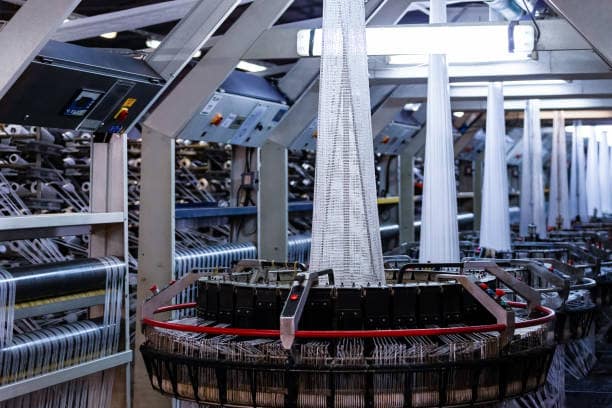
Industrial Cable Extrusion Process

Traditionally, cable extrusion was a labor-intensive process that relied heavily on the expertise and intuition of experienced operators. However, the advent of Industry 4.0 has introduced a new era of smart manufacturing, where data-driven insights and automated systems play a central role. By integrating sensors, IoT (Internet of Things) devices, and advanced control systems into extrusion lines, manufacturers can now achieve unprecedented levels of precision and efficiency.

One of the key benefits of smart manufacturing is the ability to monitor critical process parameters in real-time. From melt temperature and pressure to line speed and tension, every aspect of the extrusion process can be tracked and analyzed. This real-time visibility allows for immediate adjustments, ensuring consistent product quality and minimizing waste. For companies like Sai Extrumech, providing state-of-the-art extrusion machinery that supports these advanced capabilities is a top priority.

Enhancing Precision with Advanced Tooling
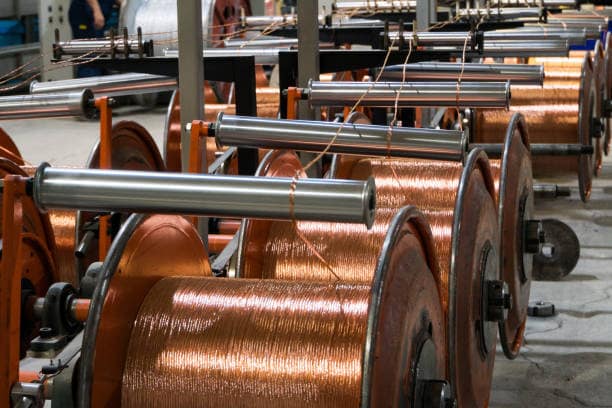
Modern Cable Manufacturing Factory

At the heart of every high-performance extrusion line is the tooling. The precision of the screw and barrel, as well as the design of the crosshead, directly impacts the quality of the final product. Advanced tooling solutions are now being engineered to handle increasingly complex materials, including halogen-free compounds and high-performance polymers.

Modern crossheads, such as fixed-center and manual-center designs, are now being equipped with sophisticated adjustment mechanisms that allow for precise control over wall thickness and concentricity. This level of precision is crucial for meeting the stringent requirements of industries like medical device manufacturing and aerospace, where even the slightest deviation can have significant consequences. You can explore our range of crossheads and tooling to see how we are pushing the boundaries of precision engineering.

The Role of Automation in Improving Efficiency

Automation is no longer just about replacing manual labor; it’s about optimizing the entire production lifecycle. Automated pay-off and take-up systems, for example, ensure smooth and consistent handling of cables, reducing the risk of damage and improving overall line speed. Similarly, automated coiling and packaging systems can significantly enhance throughput and reduce labor costs.

Beyond the physical machinery, automation also extends to the control and management systems. Advanced PLC (Programmable Logic Controller) systems can now store and recall complex recipes for different cable types, allowing for rapid changeovers and reducing downtime. This flexibility is essential for manufacturers who need to produce a wide variety of products in smaller batch sizes.

Driving Sustainability Through Technology

As environmental concerns become increasingly important, the cable industry is also focusing on sustainability. Smart technologies can play a vital role in reducing the environmental footprint of cable manufacturing. By optimizing energy consumption, minimizing material waste, and improving process efficiency, manufacturers can significantly reduce their overall impact on the planet.

For instance, energy-efficient motors and heating systems can lead to substantial cost savings while also reducing greenhouse gas emissions. Additionally, the ability to process recycled materials more effectively is becoming a key differentiator for forward-thinking manufacturers. At Sai Extrumech, we are committed to developing solutions that not only enhance performance but also promote sustainable manufacturing practices.

Conclusion: The Path Forward

The future of cable extrusion is undoubtedly smart, automated, and sustainable. By embracing these technologies, manufacturers can achieve higher levels of quality, efficiency, and competitiveness. As a leading cable extrusion machine manufacturer in India, Sai Extrumech is proud to be at the forefront of this technological revolution, providing the tools and expertise our clients need to thrive in a changing world.

Whether you are looking to upgrade an existing line or invest in a new, state-of-the-art facility, our team of experts is here to help. Contact us today to learn more about our innovative solutions and how we can help you empower your manufacturing future.

By Sai Extrumech Editorial Team  |  Published: April 7, 2026  |  Last Updated: April 10, 2026

Frequently Asked Questions

What is the difference between PVC and XLPE insulation in cable extrusion?

PVC is cost-effective and suited for low-voltage applications up to 70°C. XLPE offers superior performance at higher temperatures (up to 90°C continuous) and is required for medium and high-voltage power cables above 1 kV.

What line speeds can modern cable extrusion machines achieve?

Modern single-layer lines achieve 800–1,200 m/min for conductors under 2.5 mm². Sai Extrumech's EEL 20 series achieves up to 1,200 m/min. Multi-layer or larger conductor lines run at 200–400 m/min.

How does automation improve cable extrusion quality?

Automation enables real-time monitoring of extrusion parameters — melt temperature, line speed, conductor tension, and insulation diameter — reducing human error and enabling immediate corrections. Smart systems can reduce scrap rates by 30–50% compared to manual monitoring.

What Industry 4.0 features are available for extrusion lines?

Modern extrusion lines support OPC-UA connectivity, SCADA integration, digital twin simulation, predictive maintenance alerts, and remote monitoring dashboards. These features allow manufacturers to monitor production from anywhere and respond to process deviations before they cause quality failures.

Can a cable extrusion line be customized for specific applications?

Yes. Sai Extrumech configures lines for specific cable types, conductor sizes, insulation materials, and line speeds — for automotive, power, solar, optical fibre, and building wire applications.

Optimizing Cable Extrusion: The Critical Role of Precision Screws and Barrels

Optimizing Cable Extrusion: The Critical Role of Precision Screws and Barrels

In the intricate world of wire and cable manufacturing, achieving superior product quality and operational efficiency hinges on the performance of every component within the extrusion line. Among these, the screw and barrel assembly stands out as the heart of the extruder. Its design, material, and precision engineering directly influence the melt quality, output consistency, and overall profitability of the extrusion process. This article delves into the paramount importance of precision screws and barrels in modern cable extrusion, exploring how their optimized design contributes to enhanced performance across various cable types.

The Core Function of Screws and Barrels in Extrusion

The primary role of the screw and barrel is to convey, melt, mix, and homogenize polymer raw materials before they are extruded through a die to form the cable insulation or sheath. This seemingly straightforward process involves complex thermodynamic and rheological principles. The screw’s geometry—including its flight depth, pitch, and compression ratio—is meticulously designed to handle specific polymer characteristics, ensuring efficient heat transfer and uniform melting without degradation. The barrel, which encases the screw, provides the necessary heating and cooling zones to control the polymer’s temperature profile. The interaction between the rotating screw and the stationary barrel generates shear forces crucial for melting and mixing. Any deviation in the precision of these components can lead to inconsistencies in melt temperature, pressure fluctuations, and poor material homogenization, ultimately compromising the final product’s electrical and mechanical properties.

Precision Engineering: A Game Changer for Cable Quality

The demands of the cable industry—from high-speed data transmission to robust power distribution—necessitate unparalleled precision. For instance, in optical fibre cable extrusion lines, even microscopic variations in insulation thickness can significantly impact signal integrity. Similarly, for solar cables and XLPE cables, consistent material distribution is vital for long-term durability and safety under harsh environmental conditions.

Optimized Screw Design for Diverse Polymers

Different cable types utilize a wide array of polymer compounds, each with unique melting points, viscosities, and shear sensitivities. A “one-size-fits-all” approach to screw design is therefore inadequate. Precision screw manufacturers like Sai Extrumech specialize in designing application-specific screws that cater to the rheological properties of materials such as PVC, PE, XLPE, LSZH, and fluoropolymers. This customization ensures:
  • Efficient Melting: Proper flight design and compression ratios ensure gradual and uniform melting, preventing localized overheating and polymer degradation.
  • Superior Mixing: Specialized mixing sections, such as Maddock or barrier sections, enhance homogenization, distributing additives and colorants evenly throughout the melt.
  • Consistent Output: Optimized screw geometry minimizes pressure and temperature fluctuations, leading to a stable melt flow and consistent cable dimensions.

The Role of Barrel Integrity and Material Science

The barrel’s construction is equally critical. It must withstand high pressures, abrasive wear from fillers, and corrosive effects from certain polymers and their byproducts. Modern barrels are often constructed from specialized alloys and treated with advanced coatings (e.g., bimetallic linings) to enhance wear resistance and extend operational life. The precision of the barrel’s internal diameter and its concentricity with the screw are paramount for maintaining consistent shear rates and preventing material hang-ups.

Impact on Operational Efficiency and Cost Savings

Investing in high-quality, precision-engineered screws and barrels translates directly into significant operational benefits and cost savings for cable manufacturers:
  • Reduced Scrap Rates: Consistent melt quality and dimensional stability minimize product defects, leading to lower scrap generation and material waste.
  • Increased Throughput: Optimized designs allow for higher screw speeds and greater output without compromising quality, boosting productivity.
  • Lower Energy Consumption: Efficient melting and conveying reduce the energy required to process polymers, contributing to lower operational costs.
  • Extended Lifespan of Components: Superior materials and manufacturing precision reduce wear and tear, extending the service life of both the screw and barrel and minimizing downtime for replacements.
  • Faster Changeovers: Well-designed components facilitate quicker cleaning and material changeovers, enhancing production flexibility.
For manufacturers looking to upgrade or maintain their extrusion lines, partnering with a specialized screw and barrel manufacturer is crucial. Companies like Sai Extrumech offer comprehensive solutions, from custom design to manufacturing and refurbishment, ensuring that each component is perfectly matched to the specific application and polymer.

Advanced Technologies in Screw and Barrel Manufacturing

The evolution of cable extrusion technology is closely tied to advancements in screw and barrel manufacturing. Modern techniques include:
  • Computational Fluid Dynamics (CFD): Used to simulate polymer flow and heat transfer within the screw and barrel, allowing for virtual optimization of designs before physical prototyping.
  • Advanced Material Alloys: Development of new alloys and bimetallic constructions that offer superior resistance to wear, corrosion, and high temperatures.
  • Precision Machining: State-of-the-art CNC machining and grinding techniques ensure extremely tight tolerances and smooth surface finishes, critical for consistent performance.
These technological advancements enable the production of screws and barrels that can handle increasingly complex polymer formulations and meet the stringent quality requirements of next-generation cables, including those for 5G infrastructure, electric vehicles, and renewable energy systems.

Conclusion

The screw and barrel assembly is undeniably a cornerstone of the cable extrusion process. Its precision engineering and optimized design are not merely desirable features but essential prerequisites for achieving high-quality cable products, maximizing operational efficiency, and ensuring long-term profitability. As the cable industry continues to innovate, the role of specialized manufacturers in providing bespoke screw and barrel solutions will only grow in importance, driving forward the capabilities of extrusion technology worldwide. For more information on high-quality extrusion components and complete extrusion lines, visit Sai Extrumech.
By Sai Extrumech Editorial Team  |  Published: March 24, 2026  |  Last Updated: April 10, 2026

Frequently Asked Questions

How often should extrusion screws and barrels be replaced?

Under normal conditions with standard PVC, quality hardened screws and barrels typically last 3–7 years. Processing abrasive compounds (glass-filled, flame retardant) or high-temperature materials like XLPE accelerates wear. Signs of wear include reduced output at the same RPM, increased pressure variation, and inconsistent melt quality.

What materials require bi-metallic screw and barrel construction?

Bi-metallic construction is recommended for processing abrasive compounds including HFFR, glass-filled materials, highly filled flame retardants, and mineral-based compounds. The hardened inner lining of bi-metallic barrels significantly extends service life compared to standard nitrided steel construction.

What is the ideal L/D ratio for a cable extrusion screw?

For PVC cable extrusion, L/D ratios of 20:1 to 25:1 are standard. For XLPE and HFFR compounds requiring more homogeneous mixing, ratios of 25:1 to 30:1 are preferred. Higher L/D ratios improve melt homogeneity but require longer screws and barrels.

What is the difference between PVC and XLPE insulation in cable extrusion?

PVC is cost-effective and suited for low-voltage applications up to 70°C. XLPE offers superior performance at higher temperatures (up to 90°C continuous) and is required for medium and high-voltage power cables above 1 kV.

Can a cable extrusion line be customized for specific applications?

Yes. Sai Extrumech configures lines for specific cable types, conductor sizes, insulation materials, and line speeds — for automotive, power, solar, optical fibre, and building wire applications.