
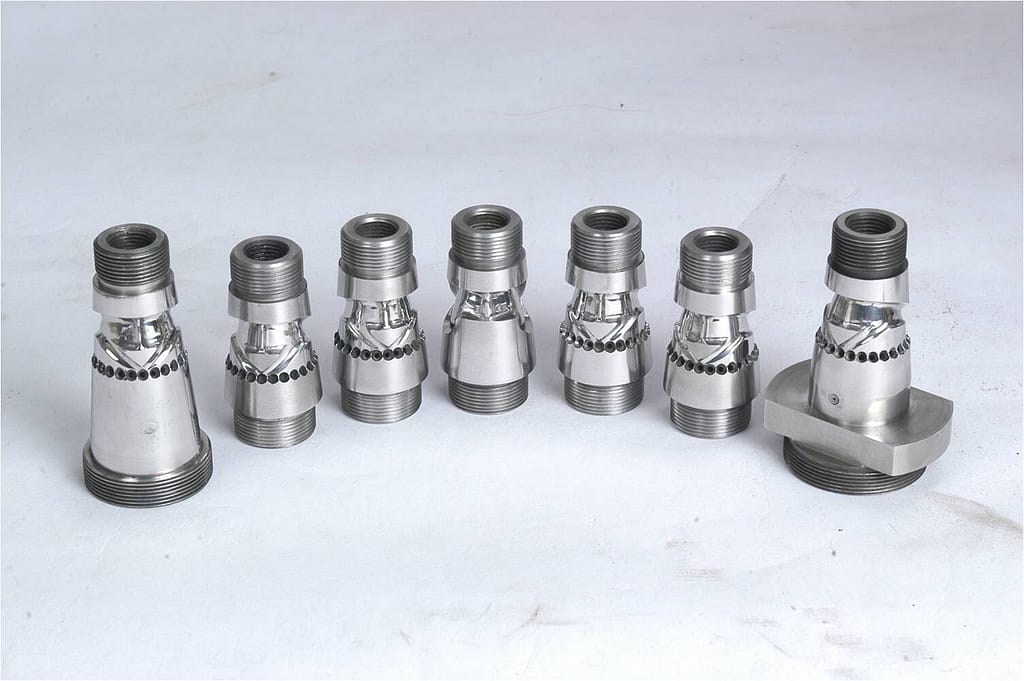
Is Your Extruder “Eating” Your Profits? The Truth About Material Wastage

In cable and pipe manufacturing, raw material (PVC, XLPE, or PE) is your biggest expense. If your extruder lacks precision, you aren’t just making cables—you are giving away free material with every meter produced.

The “Overweight” Problem

Most older or generic extruders struggle with Concentricity (keeping the wire perfectly centered in the insulation). To meet safety standards, operators often over-extrude insulation to compensate for poor centering.

  • Result: You use 10-15% more material than necessary.
  • Cost: That’s lakhs of rupees in wasted resin annually.

The Sai Extrumech Fix: Precision Engineering
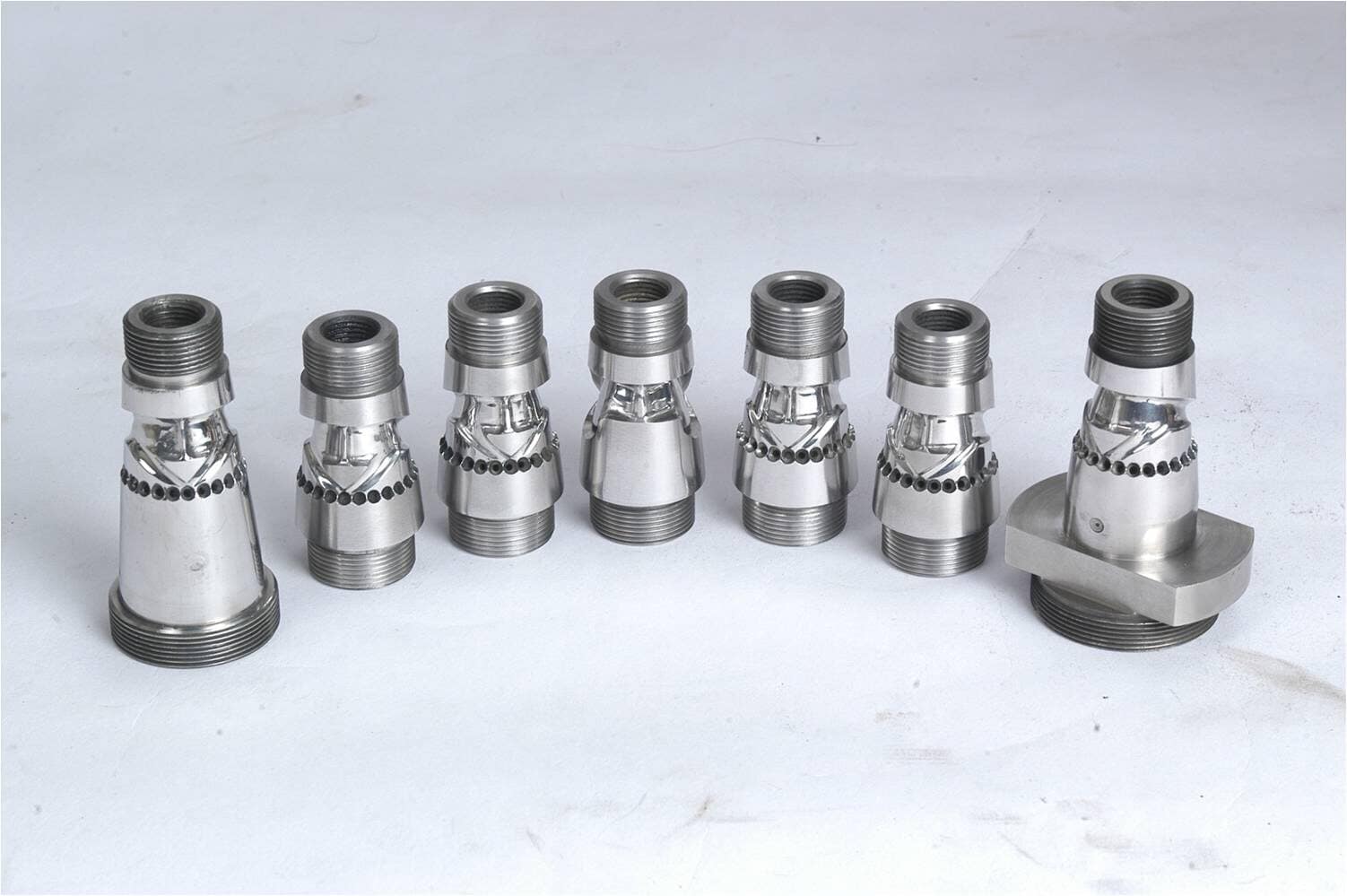
At Sai Extrumech, we don’t just build machines; we build profit-savers. Our Self-Centering Cross Heads and precision-engineered Screw Barrels ensure:

  1. Perfect Concentricity: The conductor stays dead center.
  2. Thinner Tolerances: You can run closer to the minimum required thickness without breaching safety limits.
  3. Zero Start-up Scrap: Our high-speed lines stabilize instantly, reducing the pile of waste at the start of a run.

Stop Burning Cash on Resin

Your machinery shouldn’t be a liability. Whether you are running a 70mm High-Speed Line or a delicate Medical Tubing operation, accuracy is the only metric that matters for your bottom line.

Upgrade to precision. Upgrade to Sai Extrumech.

By Sai Extrumech Editorial Team  |  Published: November 27, 2025  |  Last Updated: April 10, 2026

Frequently Asked Questions

What is the difference between PVC and XLPE insulation in cable extrusion?

PVC (Polyvinyl Chloride) is the most common cable insulation, cost-effective and suited for low-voltage applications up to 70°C. XLPE (Cross-linked Polyethylene) offers superior performance at higher temperatures (up to 90°C continuous), better electrical properties, and is required for medium and high-voltage power cables above 1 kV.

What line speeds can modern cable extrusion machines achieve?

Modern single-layer insulation lines typically achieve 800–1,200 m/min for conductors under 2.5 mm². Multi-layer or larger conductor lines run at 200–400 m/min. Sai Extrumech's EEL 20 series achieves up to 1,200 m/min constructive line speed.

What is an extrusion crosshead and why does it matter for cable quality?

A crosshead guides molten polymer uniformly around the conductor at the end of the extruder barrel. Crosshead design directly affects cable concentricity (uniform insulation thickness) and surface finish. Poor concentricity causes failures under electrical stress.

How often should extrusion screws and barrels be replaced?

Under normal conditions with standard PVC, quality hardened screws and barrels last 3–7 years. Abrasive or high-temperature compounds like XLPE accelerate wear. Signs: reduced output at the same RPM, increased pressure variation, inconsistent melt quality.

Can a cable extrusion line be customized for specific applications?

Yes. Sai Extrumech configures lines for specific cable types, conductor sizes, insulation materials, and line speeds. Custom elements include extruder diameter and L/D ratio, crosshead design, cooling trough length, and capstan configuration — for automotive, power, solar, optical fibre, and building wire.